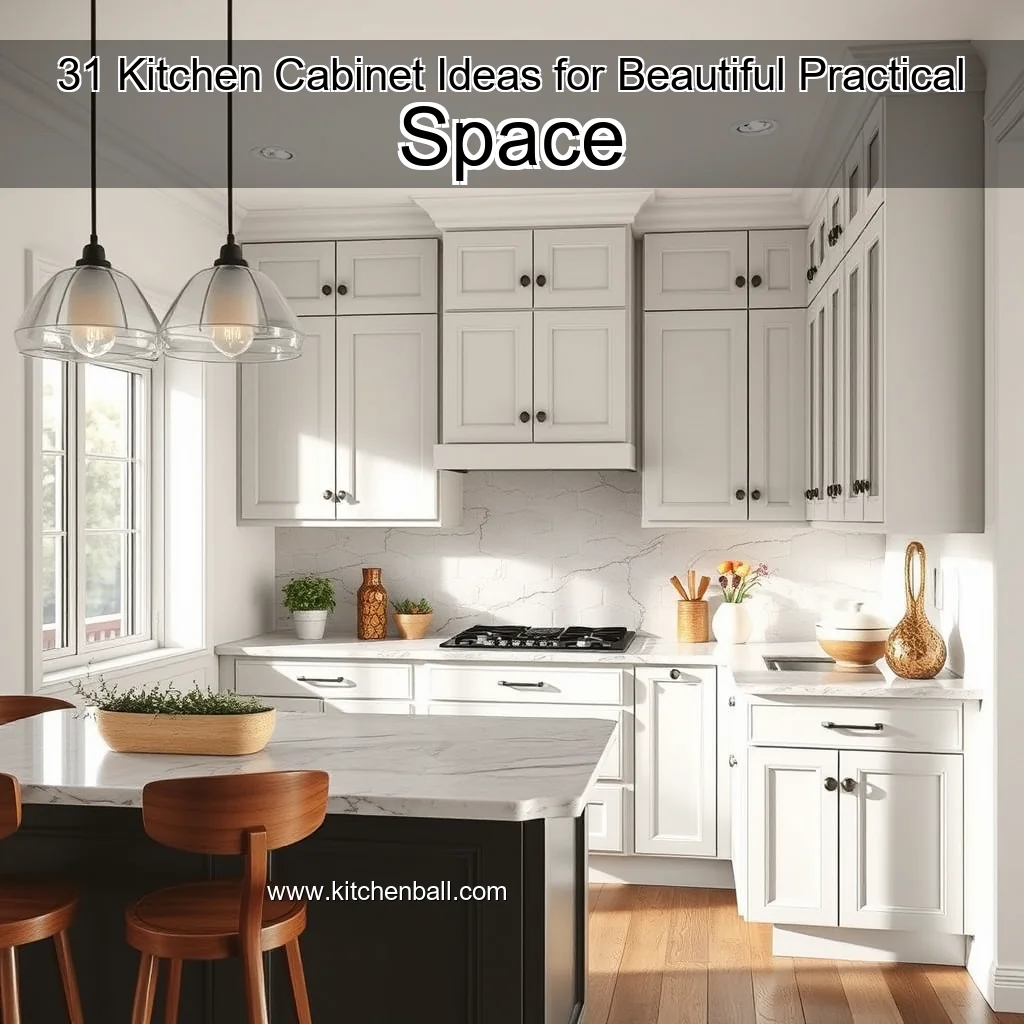
Here are some key points to consider when selecting the perfect cabinets for your kitchen:
Choosing the Right Cabinet Style
When selecting the perfect cabinets for your kitchen, the style is a crucial factor to consider. Here are some popular cabinet styles to consider:
Key Considerations for Cabinet Style
When choosing a cabinet style, consider the following factors:
Cabinet Materials and Finishes
The material and finish of your cabinets can greatly impact the overall look and feel of your kitchen. Here are some popular options to consider:
Warm and Inviting Spaces
The design is a perfect blend of modern and traditional elements.
The Art of Traditional Kitchen Design
Traditional kitchen design is a timeless and classic style that has been popular for decades. It is characterized by a warm and inviting atmosphere, often achieved through the use of rich colors, ornate details, and classic furniture pieces.
The sleek, low-profile cabinets are made of a durable, eco-friendly material that is resistant to scratches and fading. The kitchen’s neutral color palette, featuring a soft gray and creamy white, provides a clean and serene backdrop for the room’s luxurious finishes.
The Art of Minimalist Kitchen Design
Creating a Sense of Calm
In a world where bold, statement-making designs often dominate the kitchen landscape, minimalist design offers a refreshing alternative. By stripping away unnecessary elements and focusing on clean lines, simple shapes, and a limited color palette, minimalist kitchen design creates a sense of calm and serenity.
The overall aesthetic is reminiscent of a classic, timeless design.
Enclosing the Refrigerator: A Design Element for a Timeless Kitchen
The Benefits of Enclosing the Refrigerator
Enclosing the refrigerator is a design element that has gained popularity in recent years. This technique involves building a cabinet or enclosure around the refrigerator to create a cohesive look on the primary storage wall. By doing so, it not only enhances the visual appeal of the kitchen but also provides several benefits. Creates a sense of continuity: Enclosing the refrigerator helps to create a sense of continuity on the primary storage wall, making the space feel more cohesive and streamlined. Hides the refrigerator: By building a cabinet or enclosure around the refrigerator, it is effectively hidden from view, creating a more streamlined look in the kitchen. * Adds visual interest: The intricate crown molding and black and white countertops used in the design element add visual interest to the space, creating a timeless and classic aesthetic.**
Design Considerations
When designing an enclosed refrigerator, several factors need to be considered to ensure a successful outcome. Measure the refrigerator: It is essential to measure the refrigerator accurately to ensure that the enclosure is the correct size. Choose the right materials: The materials used for the enclosure should be chosen based on the style and aesthetic of the kitchen.
Optimizing the Heart of the Home: Space Optimization in Kitchen Design.
The Art of Space Optimization in Kitchen Design
When it comes to designing a kitchen, one of the most critical aspects to consider is space optimization. A well-designed kitchen should not only be aesthetically pleasing but also functional and efficient. In this article, we will explore the importance of space optimization in kitchen design and provide insights into how to achieve it.
Understanding the Challenges of Kitchen Design
Kitchen design can be a daunting task, especially when it comes to optimizing space. The kitchen is often the heart of the home, and its design can greatly impact the overall functionality and livability of the space. However, with the increasing trend of smaller homes and apartments, the challenge of space optimization has become more pressing than ever. Key challenges in kitchen design include: + Limited square footage + Complex layouts + Limited natural light + High ceilings
The Benefits of Space Optimization
Space optimization in kitchen design offers numerous benefits, including:
Strategies for Space Optimization
So, how can you achieve space optimization in your kitchen design? Here are some strategies to consider:
1.
The result is a space that is both functional and visually appealing.
Customizing the Kitchen with Storage Solutions
When it comes to designing a contemporary kitchen, storage is often an afterthought. However, a well-designed storage system can elevate the entire space, making it both functional and visually appealing. In the case of the Kaminski + Pew kitchen, the designers made sure to incorporate plenty of storage solutions to create a truly bespoke layout.
Appliance Garage
One of the most effective storage solutions in this kitchen is the appliance garage. This clever feature keeps the kitchen counters clear of clutter, while also providing a convenient place to store small appliances.
The Unconventional Kitchen Design
The kitchen is often considered the heart of the home, and for many homeowners, it’s a space where they spend a significant amount of time. However, traditional kitchen designs can sometimes feel stale and uninspired. That’s where the unconventional kitchen design comes in – a space that combines rustic elements with modern touches to create a truly unique and captivating atmosphere.
The Rustic Touch
One of the defining features of an unconventional kitchen design is the incorporation of rustic elements.
The overall aesthetic is clean and uncluttered, with a focus on functionality.
The Kitchen Design: A Study in Balance and Functionality
The kitchen is often considered the heart of the home, where meals are prepared and memories are made.
The kitchen is also equipped with a large farmhouse sink, a built-in range, and a walk-in pantry. The walk-in pantry is a unique feature that allows Martha to store her extensive collection of cookbooks, spices, and other ingredients in a climate-controlled environment.
The Heart of the Home: Martha Stewart’s Kitchen
Martha Stewart’s kitchen is a testament to her love of cooking and entertaining. The space is designed to be functional, yet elegant, reflecting Martha’s passion for creating memorable dining experiences.
A Workspace Fit for a Pro
Martha’s kitchen at her Turkey Hill home is a haven for cooks of all skill levels. The ample workspace is built not over cabinets but sets of drawers, providing easy access to essential cooking tools. This thoughtful design allows Martha to move freely around the kitchen, unencumbered by cluttered countertops.
The island’s countertop is made of granite, a durable and attractive material that is resistant to heat and scratches.
The Seating Side of the Kitchen Island
The seating side of the kitchen island is a thoughtful design element that provides a comfortable spot for relaxation and socializing. This area is often overlooked in favor of the cooking and prep areas, but it can be a valuable feature in creating a warm and inviting atmosphere in the kitchen.
Features of the Seating Side
The Benefits of the Seating Side
The seating side of the kitchen island offers several benefits, including:
Design Considerations
When designing the seating side of the kitchen island, there are several considerations to keep in mind:
Mixing modern and traditional elements to create a unique kitchen space.
The kitchen is a perfect blend of modern and traditional elements, creating a unique and inviting space.
The Art of Mixing Modern and Traditional Elements
Creating a harmonious blend of modern and traditional elements in a kitchen can be a challenging task. However, with careful consideration and a keen eye for design, it is possible to achieve a unique and inviting space that reflects your personal style.
Understanding the Principles of Modern and Traditional Design
To create a harmonious blend of modern and traditional elements, it is essential to understand the principles of each design style. Modern design is characterized by clean lines, minimal ornamentation, and an emphasis on functionality. Traditional design, on the other hand, often features ornate details, rich textures, and a focus on comfort and warmth. Key characteristics of modern design: + Clean lines and minimal ornamentation + Emphasis on functionality + Use of new materials and technologies + Neutral color palette
+ Ornate details and rich textures + Focus on comfort and warmth + Use of classic materials and techniques + Warm color palette
Combining Modern and Traditional Elements
When combining modern and traditional elements, it is essential to strike a balance between the two styles.
Kitchen design should prioritize social interaction and functionality to create a space that is both enjoyable and relaxing.
The kitchen’s layout is designed to promote social interaction, with a large island in the center that serves as a gathering place for family and friends.
The Ultimate Kitchen Layout: A Space for Cooking, Socializing, and Relaxation
The Importance of a Well-Designed Kitchen
A well-designed kitchen is more than just a place to prepare meals; it’s a hub of activity that brings people together. A kitchen that is both functional and aesthetically pleasing can elevate the entire home, making it a space that is both enjoyable and relaxing. In this article, we’ll explore the key elements of a successful kitchen layout, including the importance of social interaction, the role of islands, and the impact of decorative elements.
The Role of Islands in Kitchen Design
The cabinets are a combination of white and gray tones, providing a clean and modern aesthetic. The kitchen is equipped with a range of high-end appliances, including a gas stove, refrigerator, and dishwasher. The countertops are made of high-quality granite, adding a touch of sophistication to the space.
The Modern Kitchen Design
The modern kitchen design is a popular choice among homeowners and designers alike. It is characterized by clean lines, minimal ornamentation, and an emphasis on functionality. The modern kitchen design is all about creating a space that is both beautiful and functional, with a focus on simplicity and elegance.
Key Features of Modern Kitchen Design
The Benefits of Modern Kitchen Design
A modern kitchen design offers a range of benefits, including:
The Importance of Quality Materials and Appliances
The quality of materials and appliances used in a modern kitchen design is crucial. High-quality materials and appliances can make a significant difference in the overall look and feel of the space. Some key considerations include:
The Role of Lighting in Modern Kitchen Design
Lighting plays a critical role in modern kitchen design.

news is a contributor at KitchenBall. We are committed to providing well-researched, accurate, and valuable content to our readers.