You are currently viewing What Makes Quartz the Ultimate Kitchen Surface Material
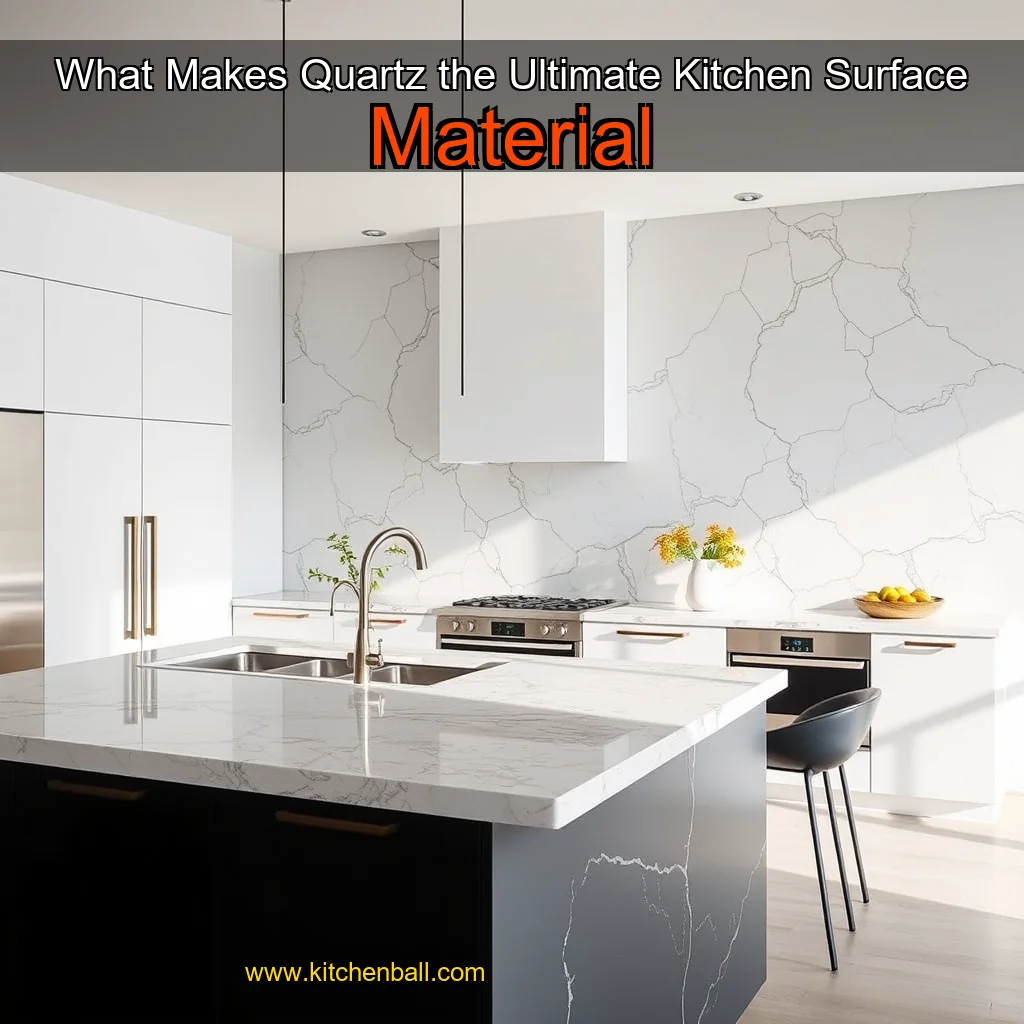
Representation image: This image is an artistic interpretation related to the article theme.

What Makes Quartz the Ultimate Kitchen Surface Material

They are known for their durability, resistance to heat, and low maintenance requirements.

Types of Quartz Worktops

Quartz worktops come in a range of styles and designs, catering to different tastes and preferences. Some of the most popular types of quartz worktops include:

  • Solid Surface Quartz: This type of quartz worktop is made from a single piece of quartz that is molded into a specific shape and design. It is known for its sleek and modern appearance. Engineered Quartz: This type of quartz worktop is made from a combination of natural quartz crystals and resins. It is more affordable than solid surface quartz and offers a wide range of colours and patterns. Quartz Tile: This type of quartz worktop is made from individual tiles that are arranged to create a specific design or pattern. It is known for its versatility and ability to be used in a variety of settings. ## Benefits of Quartz Worktops**
  • Benefits of Quartz Worktops

    Quartz worktops offer a range of benefits that make them a popular choice for homeowners and designers. Some of the most significant advantages of quartz worktops include:

  • Durability: Quartz worktops are known for their durability and resistance to heat, scratches, and cracks.

    It’s also resistant to scratches and heat damage, making it a popular choice for kitchens and bathrooms.

    The Benefits of Quartz Worktops

    Quartz worktops offer numerous benefits for homeowners and businesses. Here are some of the advantages of choosing quartz over other materials:

  • Low Maintenance: Quartz worktops are easy to clean and maintain. They can withstand scratches and heat damage, making them a great choice for busy households or commercial kitchens. Durability: Quartz worktops are incredibly strong and resilient, making them a great investment for homeowners and businesses.

    Types of Quartz Worktops

    Quartz worktops come in a variety of styles and designs, catering to different tastes and preferences. Here are some of the most popular types of quartz worktops:

  • Solid Surface Quartz: This type of quartz worktop is made from a combination of natural quartz and resin. It is durable, resistant to scratches and heat, and easy to clean. Engineered Quartz: Engineered quartz worktops are made from a combination of natural quartz and resin, but with a more complex manufacturing process. They offer improved durability and resistance to scratches and heat. Quartz Mosaic: Quartz mosaic worktops are made from small pieces of quartz that are arranged in a mosaic pattern. They offer a unique and visually appealing design. ## Benefits of Quartz Worktops**
  • Benefits of Quartz Worktops

    Quartz worktops have several benefits that make them a popular choice for homeowners and designers. Here are some of the key benefits:

  • Durability: Quartz worktops are highly durable and resistant to scratches, heat, and stains. Low Maintenance: Quartz worktops are easy to clean and maintain, making them a great choice for busy households.

    The Benefits of Quartz in Modern Technology

    Quartz is a versatile mineral that has been widely used in various applications, including electronics, optics, and construction. Its unique properties make it an ideal material for modern technology.

    Properties of Quartz

  • High thermal conductivity: Quartz can efficiently transfer heat, making it suitable for applications where temperature control is crucial. Chemical stability: Quartz is resistant to corrosion and chemical reactions, ensuring its durability in harsh environments. Piezoelectric properties: Quartz exhibits piezoelectricity, allowing it to generate an electric charge in response to mechanical stress. ## Applications of Quartz in Electronics**
  • Applications of Quartz in Electronics

    Quartz is a crucial component in electronic devices, including:

  • Clocks and watches: Quartz crystals are used to regulate timekeeping in these devices.

    Quartz countertops offer a durable and low-maintenance solution for busy kitchens.

    For smaller kitchens, quartz can be used to create a sense of depth and visual interest by incorporating contrasting colors and patterns.

    The Benefits of Quartz for Kitchen Countertops

    Quartz is a popular choice for kitchen countertops due to its numerous benefits. Here are some of the advantages of using quartz for your kitchen countertops:

  • Durability: Quartz is highly resistant to scratches, cracks, and fading, making it a great option for busy kitchens.

    The thickness of the quartz worktops can also impact the installation process, with thicker worktops requiring more support and potentially more labor-intensive installation.

    Choosing the Right Quartz Worktop Thickness

    When selecting a quartz worktop, one of the most critical factors to consider is the thickness. The right thickness can make a significant difference in the overall appearance and functionality of the worktop. Here are some key points to consider when choosing the right quartz worktop thickness:

  • 20mm thickness: This is the thinnest option available, creating a sleek and modern look.

    Keep your quartz worktop sparkling clean with regular maintenance and gentle cleaning methods.

    Daily Maintenance

  • Regularly cleaning the quartz worktop is essential to maintain its appearance and prevent damage. Use a soft cloth and mild detergent to wipe down the surface daily. Avoid using abrasive materials or harsh chemicals, which can scratch or damage the surface. ## Deep Cleaning*
  • Deep Cleaning

  • Deep cleaning the quartz worktop should be done every 1-2 months. Mix a solution of equal parts water and white vinegar in a spray bottle.

    Its unique properties make it an ideal material for various applications, from jewelry to electronics.

    The Beauty of Quartz

    Quartz is a mineral composed of silicon and oxygen atoms, making it one of the most abundant minerals on Earth. Its crystalline structure gives it a distinctive appearance, with a hardness of 7 on the Mohs scale.

    news

    news is a contributor at KitchenBall. We are committed to providing well-researched, accurate, and valuable content to our readers.


  • Leave a Reply