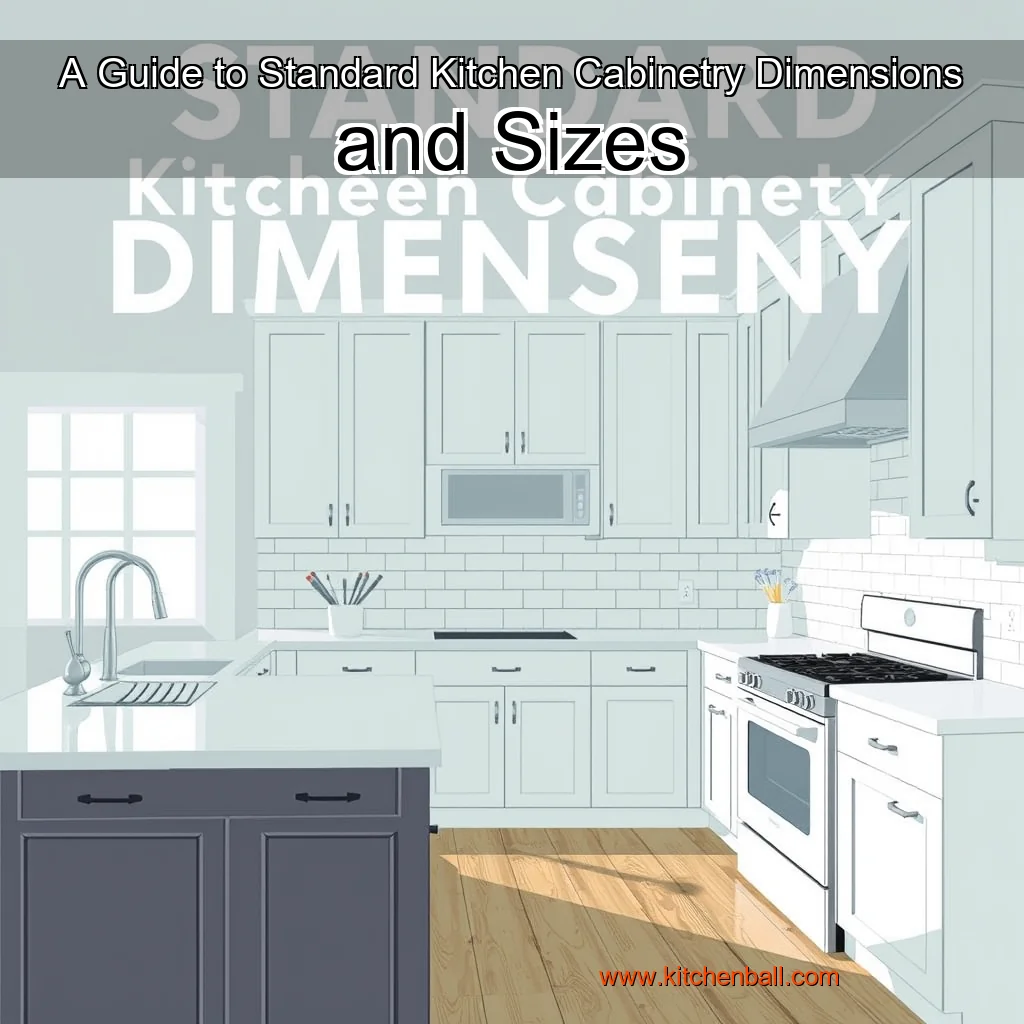
The Importance of Quality Kitchens
A well-designed kitchen is not just a matter of aesthetics; it’s also a reflection of the homeowner’s lifestyle and priorities. A quality kitchen can make a significant difference in the way we live, cook, and interact with our families. A quality kitchen is built to last, with materials and construction methods that withstand the test of time.
The dimensions are the same for the 2024 and 2025 kitchen remodeling seasons.
Standard Dimensions
The standard dimensions for kitchen cabinets are typically measured in inches.
The standard height for upper cabinets is 72 inches (73-74 inches with a countertop). The standard upper cabinet depth is 24 inches, but, with a countertop overhang, the overall depth can be as much as 25-26 inches.
Cabinet Dimensions: A Guide for Homeowners
When it comes to designing and building a kitchen, one of the most critical components is the cabinet system. The dimensions of these cabinets can greatly impact the overall look and functionality of the space. In this article, we will delve into the standard dimensions for base and upper cabinets, as well as the factors that influence their size.
Understanding Base Cabinets
Base cabinets are the foundation of any kitchen, providing storage and support for the countertops and appliances. The standard height for base cabinets is 34.5 inches (35-36 inches with a countertop), while the standard depth is 24 inches. However, with an overhanging countertop, the overall depth can increase to 25-26 inches. Factors to consider when choosing base cabinet dimensions: + Countertop height and style + Appliance placement and size + Personal preference for cabinet height and depth
Understanding Upper Cabinets
Upper cabinets are designed to provide additional storage and display space for kitchen essentials.
Lower cabinets can vary in width and depth, but are often narrower and shallower than upper cabinets.
Choosing the Right Cabinet Size
When selecting a cabinet, it’s essential to consider the overall layout and functionality of the space.
Types of Tall Cabinets
There are several types of tall cabinets available in the market, catering to different needs and purposes. Some of the most common types include:
Benefits of Tall Cabinets
Tall cabinets offer several benefits, including:
Kitchen Island Dimensions: A Guide to Planning and Installation
When planning a kitchen island, it’s essential to consider the dimensions of the surrounding cabinets and appliances to ensure a seamless integration.
A level base cabinet will ensure a proper fit and prevent costly repairs down the line.
Understanding the Importance of Leveling and Prepping the Space
When it comes to installing a new cabinet, it’s easy to overlook the importance of leveling and prepping the space. However, this crucial step can make or break the entire installation process.
The Consequences of Incorrect Leveling
If the base cabinets are not level, it can lead to a multitude of problems. Here are some of the consequences of incorrect leveling:
Pre-Drilling and Screw Selection
Pre-drilling through the frame of the cabinet before connecting is a crucial step in the assembly process. This step ensures that the screws do not split the wood and that the frame is properly aligned. Here are some key points to consider when pre-drilling and screw selection:
The Importance of Proper Alignment
Proper alignment is critical in the assembly process.

news is a contributor at KitchenBall. We are committed to providing well-researched, accurate, and valuable content to our readers.