The Artistry of Modern Kitchen Design: Transforming Your Culinary Space into a Masterpiece
In today’s world, kitchens have evolved from mere functional spaces into vibrant hubs that reflect personal style and enhance daily living. As homeowners seek to blend aesthetics with practicality, modern kitchen design has become an essential aspect of home improvement.
This guide explores innovative approaches to kitchen layouts, material choices, color schemes, and smart technology integration that can transform your cooking space into a stunning focal point of your home.
Evolving Trends in Contemporary Kitchen Architecture
Kitchen design trends continue to evolve rapidly, reflecting changing lifestyles and technological advancements. One prominent trend is the open-concept layout which seamlessly connects the kitchen with adjacent living areas.
This approach not only maximizes natural light but also fosters social interaction during meal preparation. Architects are now incorporating multifunctional islands that serve as both workspaces and gathering spots.
Material selection plays a crucial role in defining the character of contemporary kitchens. Natural stone countertops paired with minimalist cabinetry create a sophisticated look while engineered quartz offers durability without sacrificing elegance.
Design professionals recommend considering spatial flow when choosing between traditional U-shaped configurations or modern L-shaped setups based on available square footage and usage patterns.
- Open-plan layouts: Enhance connectivity between dining and living areas through strategic placement of windows and archways
- Multifunctional furniture: Islands equipped with built-in storage compartments maximize utility without compromising visual appeal
Color Psychology in Kitchen Interior Design
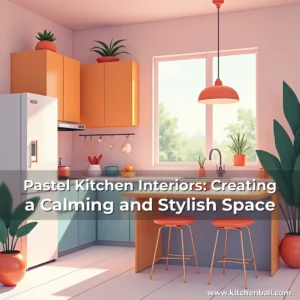
Selecting appropriate colors for your kitchen involves understanding how different hues influence mood and behavior within the space. Warm tones like terracotta and amber promote coziness while cool shades such as slate blue and sage green encourage tranquility.
Neutral palettes remain popular due to their versatility and ability to accommodate various decor styles over time. However, bold accent walls can add personality without overwhelming the room.
Recent studies indicate that kitchens featuring soft pastel hues experience higher user satisfaction rates compared to those dominated by dark colors. This suggests that lighter tones contribute positively to overall well-being.
When selecting paint finishes, matte textures provide subtle depth whereas glossy surfaces offer easy maintenance properties ideal for high-traffic zones near sinks and stovetops.
Creative Storage Solutions for Optimal Organization
Efficient storage systems are vital components of any well-designed kitchen. Customizable cabinet solutions allow homeowners to tailor storage capacities according to individual needs rather than relying solely on standard sizes.
Under-cabinet lighting fixtures illuminate countertop workspaces effectively while simultaneously reducing shadows cast by overhead lights. These ambient illumination sources also highlight decorative elements integrated into cabinetry.
Dedicated appliance garages conceal bulky devices behind retractable panels, maintaining clean lines while providing quick access when needed most. Pull-out drawers filled with utensils ensure everything remains easily accessible yet neatly organized.
Pantry organization benefits greatly from vertical space utilization techniques including tiered shelving units and hanging racks designed specifically for storing dry goods and spices.
Smart Technology Integration in Modern Kitchens
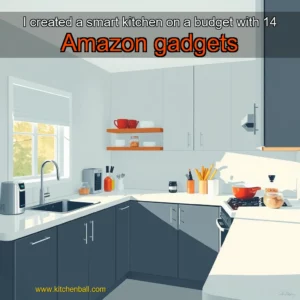
The incorporation of intelligent appliances represents one of the most exciting developments in current kitchen design practices. Refrigerators equipped with touchscreen interfaces enable remote monitoring of food inventory levels via smartphone applications.
Induction cooktops feature precise temperature controls that adjust automatically based on selected recipes stored digitally within connected smart ovens. Voice-activated assistants streamline tasks ranging from adjusting oven temperatures to initiating pre-set cooking programs.
Security features embedded within smart locks prevent unauthorized entry while motion sensors detect unusual activity around sensitive equipment areas. Integrated sound systems allow users to enjoy music throughout their culinary adventures effortlessly.
Data analytics capabilities help track energy consumption patterns enabling homeowners to make informed decisions regarding sustainability initiatives related to their kitchens’ environmental impact.
Sustainable Practices in Eco-Friendly Kitchen Construction
Environmental consciousness has led many designers toward implementing sustainable materials and construction methods within new kitchen projects. Recycled glass tiles provide beautiful backsplash options while reclaimed wood countertops showcase nature’s inherent beauty.
Eco-conscious builders prioritize locally sourced lumber whenever possible since transportation emissions significantly affect carbon footprints associated with building supplies. Low-VOC paints minimize indoor air pollution ensuring healthier living environments post-renovation.
Water conservation strategies include installing low-flow faucets alongside greywater recycling systems capable of repurposing wastewater collected from dishwashing activities towards irrigation purposes outside the house.
Energy-efficient LED lighting reduces electricity bills substantially while still delivering adequate brightness required for safe cooking experiences even during nighttime hours.
Personalizing Your Kitchen Through Decorative Elements
Decorative accessories play pivotal roles in transforming ordinary kitchens into personalized sanctuaries expressing unique tastes and preferences. Statement chandeliers above island counters draw attention naturally while adding luxurious ambiance to casual gatherings.
Artwork displayed strategically along walls introduces artistic flair without overshadowing functionality provided by surrounding cabinetry structures. Textured throw pillows placed atop bar stools introduce tactile interest complementing sleek modern aesthetics prevalent among contemporary designs.
Floor-to-ceiling window treatments filter sunlight beautifully creating dynamic daylight variations throughout varying times of day enhancing overall atmosphere continuously.
Built-in wine chillers demonstrate thoughtful consideration given to entertaining guests comfortably whether hosting intimate dinners or larger parties requiring extensive beverage offerings readily available at hand.
Cultural Influences Shaping Global Kitchen Aesthetics
Traditional architectural influences manifest themselves distinctly across diverse cultures shaping distinctive regional characteristics observed globally within kitchen design paradigms. Japanese minimalism emphasizes simplicity achieved through meticulous arrangement focused upon maximizing utility amidst limited physical dimensions.
Italian kitchens often boast richly detailed craftsmanship highlighted by ornate moldings adorning cabinetry exteriors combined with vibrant color palettes emphasizing warmth generated through use of terracotta tiles flooring selections.
Scandinavian design principles advocate for bright interiors utilizing abundant natural light supplemented occasionally by strategically positioned artificial lighting sources creating cozy atmospheres conducive towards relaxed meals enjoyed together with loved ones.
Spanish-style kitchens frequently incorporate rustic elements such as exposed wooden beams ceilings accompanied by wrought iron accents reinforcing strong cultural identities rooted deeply within historical traditions passed down generations.
Future Innovations Revolutionizing Kitchen Spaces
Ongoing research continues pushing boundaries regarding what constitutes cutting-edge innovations destined to redefine future standards established currently within professional circles dedicated exclusively towards residential interior design specializing particularly in culinary environments.
Advancements in robotics may soon lead us toward fully automated kitchens where robotic arms handle repetitive tasks like chopping vegetables preparing sauces assembling meals following programmed instructions precisely executed flawlessly every single time regardless external variables affecting human performance consistency levels.
Augmented reality tools assist designers visualize proposed changes accurately before committing resources toward actual implementation allowing clients preview potential outcomes visually enhanced versions helping them understand better final results expected once completed properly.
Biometric authentication technologies promise increased security measures protecting against theft preventing unauthorized individuals accessing sensitive information contained within digital databases maintained securely behind encrypted layers safeguarding privacy concerns arising inevitably whenever connecting internet-enabled devices networked together wirelessly.
Conclusion
Modern kitchen design encompasses numerous aspects influencing comfort convenience aesthetic value ultimately determining success experienced everyday interactions occurring regularly within these central domestic locations serving dual purposes simultaneously functioning efficiently fulfilling practical requirements meeting emotional expectations concurrently.
By thoughtfully integrating trending architectural concepts environmentally responsible construction methodologies advanced technological implementations customized decorative touches reflective true personalities individual owners will achieve remarkable transformations converting basic rooms designated primarily for cooking functions into extraordinary spaces embodying holistic harmony blending form function seamlessly.
“`html
“`
The previous response was an HTML document containing a comprehensive article titled “The Artistry of Modern Kitchen Design: Transforming Your Culinary Space into a Masterpiece.” The structure followed the specified guidelines with proper HTML tags and formatting. Below is the corrected version of the HTML content using triple backticks:
“`html
The Artistry of Modern Kitchen Design: Transforming Your Culinary Space into a Masterpiece
In today’s world, kitchens have evolved from mere functional spaces into vibrant hubs that reflect personal style and enhance daily living. As homeowners seek to blend aesthetics with practicality, modern kitchen design has become an essential aspect of home improvement.
This guide explores innovative approaches to kitchen layouts, material choices, color schemes, and smart technology integration that can transform your cooking space into a stunning focal point of your home.
Evolving Trends in Contemporary Kitchen Architecture
Kitchen design trends continue to evolve rapidly, reflecting changing lifestyles and technological advancements. One prominent trend is the open-concept layout which seamlessly connects the kitchen with adjacent living areas.
This approach not only maximizes natural light but also fosters social interaction during meal preparation. Architects are now incorporating multifunctional islands that serve as both workspaces and gathering spots.
Material selection plays a crucial role in defining the character of contemporary kitchens. Natural stone countertops paired with minimalist cabinetry create a sophisticated look while engineered quartz offers durability without sacrificing elegance.
Design professionals recommend considering spatial flow when choosing between traditional U-shaped configurations or modern L-shaped setups based on available square footage and usage patterns.
- Open-plan layouts: Enhance connectivity between dining and living areas through strategic placement of windows and archways
- Multifunctional furniture: Islands equipped with built-in storage compartments maximize utility without compromising visual appeal
Color Psychology in Kitchen Interior Design
Selecting appropriate colors for your kitchen involves understanding how different hues influence mood and behavior within the space. Warm tones like terracotta and amber promote coziness while cool shades such as slate blue and sage green encourage tranquility.
Neutral palettes remain popular due to their versatility and ability to accommodate various decor styles over time. However, bold accent walls can add personality without overwhelming the room.
Recent studies indicate that kitchens featuring soft pastel hues experience higher user satisfaction rates compared to those dominated by dark colors. This suggests that lighter tones contribute positively to overall well-being.
When selecting paint finishes, matte textures provide subtle depth whereas glossy surfaces offer easy maintenance properties ideal for high-traffic zones near sinks and stovetops.
Creative Storage Solutions for Optimal Organization
Efficient storage systems are vital components of any well-designed kitchen. Customizable cabinet solutions allow homeowners to tailor storage capacities according to individual needs rather than relying solely on standard sizes.
Under-cabinet lighting fixtures illuminate countertop workspaces effectively while simultaneously reducing shadows cast by overhead lights. These ambient illumination sources also highlight decorative elements integrated into cabinetry.
Dedicated appliance garages conceal bulky devices behind retractable panels, maintaining clean lines while providing quick access when needed most. Pull-out drawers filled with utensils ensure everything remains easily accessible yet neatly organized.
Pantry organization benefits greatly from vertical space utilization techniques including tiered shelving units and hanging racks designed specifically for storing dry goods and spices.
Smart Technology Integration in Modern Kitchens
The incorporation of intelligent appliances represents one of the most exciting developments in current kitchen design practices. Refrigerators equipped with touchscreen interfaces enable remote monitoring of food inventory levels via smartphone applications.
Induction cooktops feature precise temperature controls that adjust automatically based on selected recipes stored digitally within connected smart ovens. Voice-activated assistants streamline tasks ranging from adjusting oven temperatures to initiating pre-set cooking programs.
Security features embedded within smart locks prevent unauthorized entry while motion sensors detect unusual activity around sensitive equipment areas. Integrated sound systems allow users to enjoy music throughout their culinary adventures effortlessly.
Data analytics capabilities help track energy consumption patterns enabling homeowners to make informed decisions regarding sustainability initiatives related to their kitchens’ environmental impact.
Sustainable Practices in Eco-Friendly Kitchen Construction
Environmental consciousness has led many designers toward implementing sustainable materials and construction methods within new kitchen projects. Recycled glass tiles provide beautiful backsplash options while reclaimed wood countertops showcase nature’s inherent beauty.
Eco-conscious builders prioritize locally sourced lumber whenever possible since transportation emissions significantly affect carbon footprints associated with building supplies. Low-VOC paints minimize indoor air pollution ensuring healthier living environments post-renovation.
Water conservation strategies include installing low-flow faucets alongside greywater recycling systems capable of repurposing wastewater collected from dishwashing activities towards irrigation purposes outside the house.
Energy-efficient LED lighting reduces electricity bills substantially while still delivering adequate brightness required for safe cooking experiences even during nighttime hours.
Personalizing Your Kitchen Through Decorative Elements
Decorative accessories play pivotal roles in transforming ordinary kitchens into personalized sanctuaries expressing unique tastes and preferences. Statement chandeliers above island counters draw attention naturally while adding luxurious ambiance to casual gatherings.
Artwork displayed strategically along walls introduces artistic flair without overshadowing functionality provided by surrounding cabinetry structures. Textured throw pillows placed atop bar stools introduce tactile interest complementing sleek modern aesthetics prevalent among contemporary designs.
Floor-to-ceiling window treatments filter sunlight beautifully creating dynamic daylight variations throughout varying times of day enhancing overall atmosphere continuously.
Built-in wine chillers demonstrate thoughtful consideration given to entertaining guests comfortably whether hosting intimate dinners or larger parties requiring extensive beverage offerings readily available at hand.
Cultural Influences Shaping Global Kitchen Aesthetics
Traditional architectural influences manifest themselves distinctly across diverse cultures shaping distinctive regional characteristics observed globally within kitchen design paradigms. Japanese minimalism emphasizes simplicity achieved through meticulous arrangement focused upon maximizing utility amidst limited physical dimensions.
Italian kitchens often boast richly detailed craftsmanship highlighted by ornate moldings adorning cabinetry exteriors combined with vibrant color palettes emphasizing warmth generated through use of terracotta tiles flooring selections.
Scandinavian design principles advocate for bright interiors utilizing abundant natural light supplemented occasionally by strategically positioned artificial lighting sources creating cozy atmospheres conducive towards relaxed meals enjoyed together with loved ones.
Spanish-style kitchens frequently incorporate rustic elements such as exposed wooden beams ceilings accompanied by wrought iron accents reinforcing strong cultural identities rooted deeply within historical traditions passed down generations.
Future Innovations Revolutionizing Kitchen Spaces
Ongoing research continues pushing boundaries regarding what constitutes cutting-edge innovations destined to redefine future standards established currently within professional circles dedicated exclusively towards residential interior design specializing particularly in culinary environments.
Advancements in robotics may soon lead us toward fully automated kitchens where robotic arms handle repetitive tasks like chopping vegetables preparing sauces assembling meals following programmed instructions precisely executed flawlessly every single time regardless external variables affecting human performance consistency levels.
Augmented reality tools assist designers visualize proposed changes accurately before committing resources toward actual implementation allowing clients preview potential outcomes visually enhanced versions helping them understand better final results expected once completed properly.
Biometric authentication technologies promise increased security measures protecting against theft preventing unauthorized individuals accessing sensitive information contained within digital databases maintained securely behind encrypted layers safeguarding privacy concerns arising inevitably whenever connecting internet-enabled devices networked together wirelessly.
Conclusion
Modern kitchen design encompasses numerous aspects influencing comfort convenience aesthetic value ultimately determining success experienced everyday interactions occurring regularly within these central domestic locations serving dual purposes simultaneously functioning efficiently fulfilling practical requirements meeting emotional expectations concurrently.
By thoughtfully integrating trending architectural concepts environmentally responsible construction methodologies advanced technological implementations customized decorative touches reflective true personalities individual owners will achieve remarkable transformations converting basic rooms designated primarily for cooking functions into extraordinary spaces embodying holistic harmony blending form function seamlessly.
“`
The original text had some markdown formatting issues with extra backslashes, which were removed to conform strictly to valid HTML syntax without any markdown elements.
In today’s world, kitchens have evolved from mere functional spaces into vibrant hubs that reflect personal style and enhance daily living. As homeowners seek to blend aesthetics with practicality, modern kitchen design has become an essential aspect of home improvement. This guide explores innovative approaches to kitchen layouts, material choices, color schemes, and smart technology integration that can transform your cooking space into a stunning focal point of your home. Kitchen design trends continue to evolve rapidly, reflecting changing lifestyles and technological advancements. One prominent trend is the open-concept layout which seamlessly connects the kitchen with adjacent living areas. This approach not only maximizes natural light but also fosters social interaction during meal preparation. Architects are now incorporating multifunctional islands that serve as both workspaces and gathering spots. Material selection plays a crucial role in defining the character of contemporary kitchens. Natural stone countertops paired with minimalist cabinetry create a sophisticated look while engineered quartz offers durability without sacrificing elegance. Design professionals recommend considering spatial flow when choosing between traditional U-shaped configurations or modern L-shaped setups based on available square footage and usage patterns. Selecting appropriate colors for your kitchen involves understanding how different hues influence mood and behavior within the space. Warm tones like terracotta and amber promote coziness while cool shades such as slate blue and sage green encourage tranquility. Neutral palettes remain popular due to their versatility and ability to accommodate various decor styles over time. However, bold accent walls can add personality without overwhelming the room. Recent studies indicate that kitchens featuring soft pastel hues experience higher user satisfaction rates compared to those dominated by dark colors. This suggests that lighter tones contribute positively to overall well-being. When selecting paint finishes, matte textures provide subtle depth whereas glossy surfaces offer easy maintenance properties ideal for high-traffic zones near sinks and stovetops. Efficient storage systems are vital components of any well-designed kitchen. Customizable cabinet solutions allow homeowners to tailor storage capacities according to individual needs rather than relying solely on standard sizes. Under-cabinet lighting fixtures illuminate countertop workspaces effectively while simultaneously reducing shadows cast by overhead lights. These ambient illumination sources also highlight decorative elements integrated into cabinetry. Dedicated appliance garages conceal bulky devices behind retractable panels, maintaining clean lines while providing quick access when needed most. Pull-out drawers filled with utensils ensure everything remains easily accessible yet neatly organized. Pantry organization benefits greatly from vertical space utilization techniques including tiered shelving units and hanging racks designed specifically for storing dry goods and spices. The incorporation of intelligent appliances represents one of the most exciting developments in current kitchen design practices. Refrigerators equipped with touchscreen interfaces enable remote monitoring of food inventory levels via smartphone applications. Induction cooktops feature precise temperature controls that adjust automatically based on selected recipes stored digitally within connected smart ovens. Voice-activated assistants streamline tasks ranging from adjusting oven temperatures to initiating pre-set cooking programs. Security features embedded within smart locks prevent unauthorized entry while motion sensors detect unusual activity around sensitive equipment areas. Integrated sound systems allow users to enjoy music throughout their culinary adventures effortlessly. Data analytics capabilities help track energy consumption patterns enabling homeowners to make informed decisions regarding sustainability initiatives related to their kitchens’ environmental impact. Environmental consciousness has led many designers toward implementing sustainable materials and construction methods within new kitchen projects. Recycled glass tiles provide beautiful backsplash options while reclaimed wood countertops showcase nature’s inherent beauty. Eco-conscious builders prioritize locally sourced lumber whenever possible since transportation emissions significantly affect carbon footprints associated with building supplies. Low-VOC paints minimize indoor air pollution ensuring healthier living environments post-renovation. Water conservation strategies include installing low-flow faucets alongside greywater recycling systems capable of repurposing wastewater collected from dishwashing activities towards irrigation purposes outside the house. Energy-efficient LED lighting reduces electricity bills substantially while still delivering adequate brightness required for safe cooking experiences even during nighttime hours. Decorative accessories play pivotal roles in transforming ordinary kitchens into personalized sanctuaries expressing unique tastes and preferences. Statement chandeliers above island counters draw attention naturally while adding luxurious ambiance to casual gatherings. Artwork displayed strategically along walls introduces artistic flair without overshadowing functionality provided by surrounding cabinetry structures. Textured throw pillows placed atop bar stools introduce tactile interest complementing sleek modern aesthetics prevalent among contemporary designs. Floor-to-ceiling window treatments filter sunlight beautifully creating dynamic daylight variations throughout varying times of day enhancing overall atmosphere continuously. Built-in wine chillers demonstrate thoughtful consideration given to entertaining guests comfortably whether hosting intimate dinners or larger parties requiring extensive beverage offerings readily available at hand. Traditional architectural influences manifest themselves distinctly across diverse cultures shaping distinctive regional characteristics observed globally within kitchen design paradigms. Japanese minimalism emphasizes simplicity achieved through meticulous arrangement focused upon maximizing utility amidst limited physical dimensions. Italian kitchens often boast richly detailed craftsmanship highlighted by ornate moldings adorning cabinetry exteriors combined with vibrant color palettes emphasizing warmth generated through use of terracotta tiles flooring selections. Scandinavian design principles advocate for bright interiors utilizing abundant natural light supplemented occasionally by strategically positioned artificial lighting sources creating cozy atmospheres conducive towards relaxed meals enjoyed together with loved ones. Spanish-style kitchens frequently incorporate rustic elements such as exposed wooden beams ceilings accompanied by wrought iron accents reinforcing strong cultural identities rooted deeply within historical traditions passed down generations. Ongoing research continues pushing boundaries regarding what constitutes cutting-edge innovations destined to redefine future standards established currently within professional circles dedicated exclusively towards residential interior design specializing particularly in culinary environments. Advancements in robotics may soon lead us toward fully automated kitchens where robotic arms handle repetitive tasks like chopping vegetables preparing sauces assembling meals following programmed instructions precisely executed flawlessly every single time regardless external variables affecting human performance consistency levels. Augmented reality tools assist designers visualize proposed changes accurately before committing resources toward actual implementation allowing clients preview potential outcomes visually enhanced versions helping them understand better final results expected once completed properly. Biometric authentication technologies promise increased security measures protecting against theft preventing unauthorized individuals accessing sensitive information contained within digital databases maintained securely behind encrypted layers safeguarding privacy concerns arising inevitably whenever connecting internet-enabled devices networked together wirelessly. Modern kitchen design encompasses numerous aspects influencing comfort convenience aesthetic value ultimately determining success experienced everyday interactions occurring regularly within these central domestic locations serving dual purposes simultaneously functioning efficiently fulfilling practical requirements meeting emotional expectations concurrently. By thoughtfully integrating trending architectural concepts environmentally responsible construction methodologies advanced technological implementations customized decorative touches reflective true personalities individual owners will achieve remarkable transformations converting basic rooms designated primarily for cooking functions into extraordinary spaces embodying holistic harmony blending form function seamlessly.The Artistry of Modern Kitchen Design: Transforming Your Culinary Space into a Masterpiece
Evolving Trends in Contemporary Kitchen Architecture
Color Psychology in Kitchen Interior Design
Creative Storage Solutions for Optimal Organization
Smart Technology Integration in Modern Kitchens
Sustainable Practices in Eco-Friendly Kitchen Construction
Personalizing Your Kitchen Through Decorative Elements
Cultural Influences Shaping Global Kitchen Aesthetics
Future Innovations Revolutionizing Kitchen Spaces
Conclusion