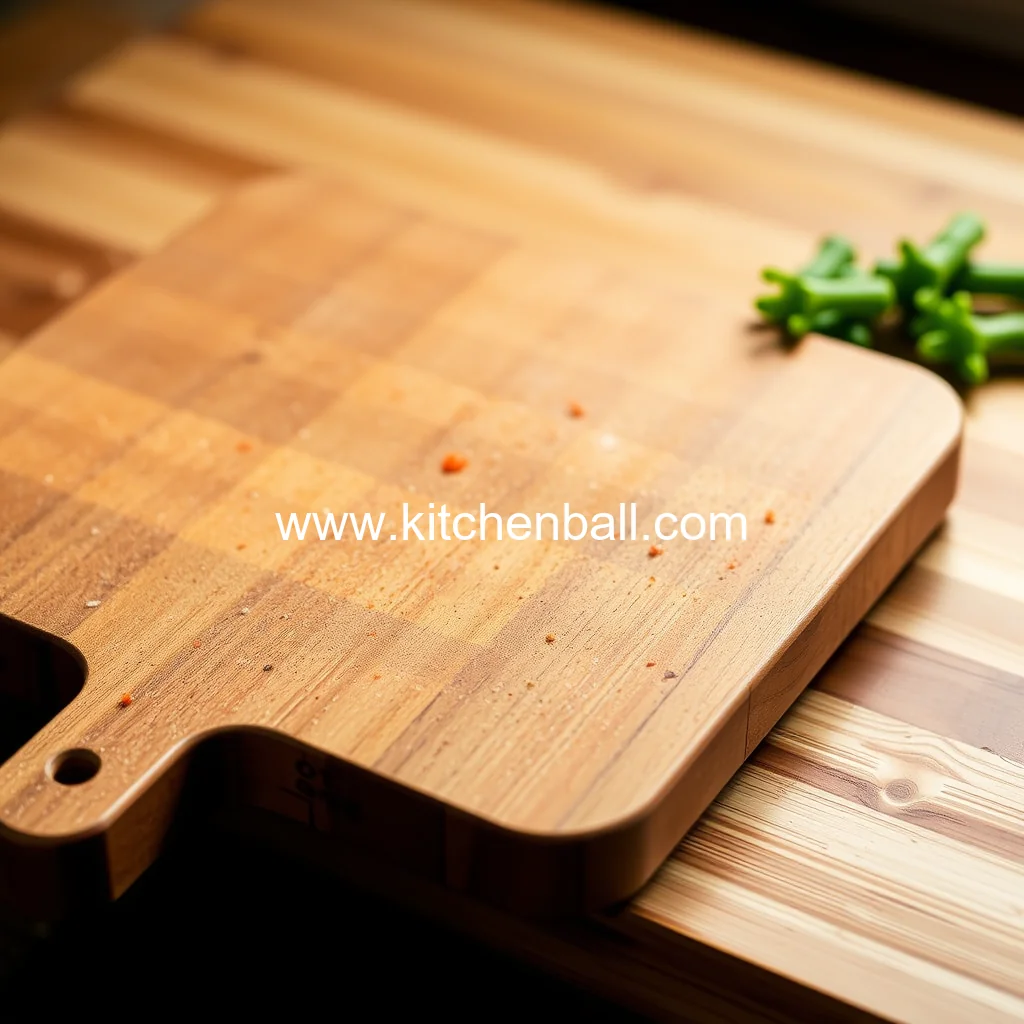
A good chopping board can make all the difference in your cooking experience. But what makes a chopping board truly great? Is it the material, the size, or the design? Let’s dive into the world of chopping boards and explore the best materials, sizes, and designs to help you find the perfect one for your kitchen.
The Importance of a Good Chopping Board
A good chopping board is more than just a piece of wood or plastic. It’s a crucial tool in your kitchen that can make a significant difference in the quality of your food. A chopping board can help prevent cross-contamination, keep your ingredients clean, and make food preparation more efficient. But with so many options available, it can be overwhelming to choose the right one.
The Best Materials for a Chopping Board
When it comes to choosing a chopping board, the material is one of the most critical factors. Here are some of the best materials for a chopping board:
Here’s why.
The Science Behind Wood Chopping Boards
Wood has been a popular choice for chopping boards for centuries, and for good reason. It’s a natural, non-toxic, and biodegradable material that’s gentle on knives and easy to clean. But what makes wood the safest material for chopping boards? Wood is resistant to scratches and cracks, making it less likely to harbor bacteria and other microorganisms. It’s also less likely to harbor chemicals, such as formaldehyde, which are often found in plastic chopping boards. Additionally, wood is a natural antimicrobial agent, with some species of wood containing compounds that have been shown to inhibit the growth of certain bacteria and fungi.
The Benefits of Wood Chopping Boards
So, why are wood chopping boards still not as popular as they deserve to be? There are a few reasons:
The Peril of Bacteria on Kitchen Surfaces
Bacteria are ubiquitous in our daily lives, and kitchen surfaces are no exception. From countertops to cutting boards, bacteria can thrive on a variety of surfaces, posing a significant risk to our health. In this article, we’ll delve into the world of bacteria on kitchen surfaces, exploring the types of bacteria that can be found, the risks they pose, and the most effective ways to eliminate them.
Types of Bacteria Found on Kitchen Surfaces
Sandi wrapped up her talk by emphasising: “The most important thing, of course, is to wash them and then replace them when they get a bit knackered.”

news is a contributor at KitchenBall. We are committed to providing well-researched, accurate, and valuable content to our readers.