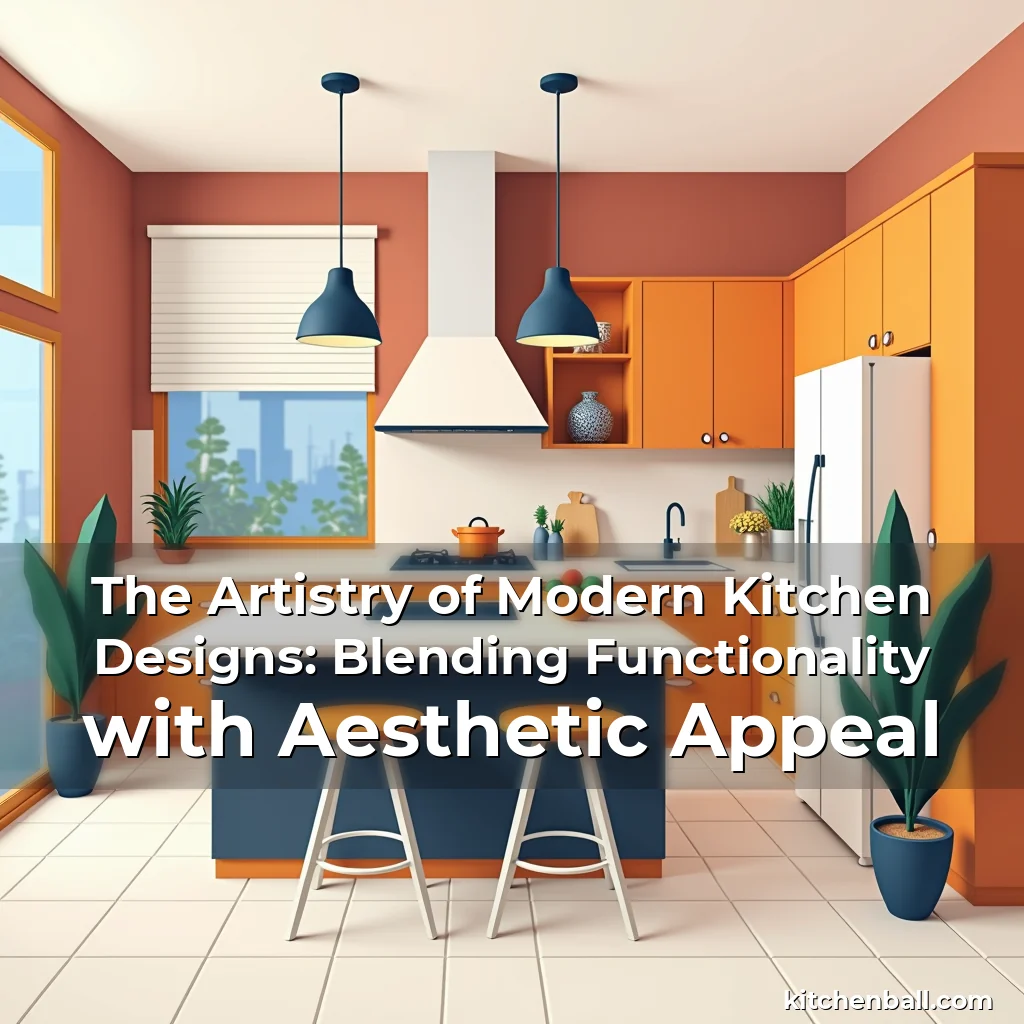
The Artistry of Modern Kitchen Designs: Blending Functionality with Aesthetic Appeal
In an era where homes are increasingly seen as personal sanctuaries, the kitchen has emerged not only as the heart of the home but also as a canvas for creative expression. Modern kitchen design goes beyond mere utility; it’s about crafting spaces that reflect individual style while maintaining practicality.
From sleek minimalist setups to vibrant open-concept layouts, contemporary kitchens offer endless possibilities tailored to diverse lifestyles and preferences. This exploration delves into various aspects of current kitchen design trends, providing insight into how homeowners can create their ideal culinary haven.
Evolving Trends in Contemporary Kitchen Design
Kitchen design is continually evolving, influenced by technological advancements, shifting lifestyle needs, and aesthetic preferences. One notable trend is the integration of smart technology within cabinetry and countertops, allowing for seamless control over lighting, temperature, and even appliance functions through voice commands or mobile apps.
This fusion of innovation with traditional elements ensures that modern kitchens remain both functional and visually appealing. As sustainability becomes more prominent, eco-friendly materials such as bamboo countertops and recycled glass tiles are gaining popularity among environmentally conscious designers and homeowners alike.
- Smart Technology Integration: Voice-controlled appliances and automated systems enhance convenience without compromising visual appeal.
- Sustainable Materials: Using reclaimed wood and low-VOC paints reduces environmental impact while adding character to any space.
Layouts That Define Space Efficiency
Selecting the right layout plays a crucial role in maximizing functionality within your kitchen area. Common configurations include L-shaped, U-shaped, galley-style, island-style, and open-plan arrangements—each offering distinct advantages depending on available square footage and user requirements.
An L-shaped layout works well for smaller spaces due to its efficient use of corner areas, whereas larger kitchens may benefit from U-shaped designs that provide ample storage solutions along three walls. Galley-style kitchens feature two parallel workspaces separated by a narrow aisle, making them highly suitable for those who prioritize workflow efficiency above all else.
Island Kitchens: Enhancing Social Interaction
Introducing an island into your kitchen setup transforms it into a multifunctional hub that fosters social interaction. These islands often double as dining tables or additional prep stations, increasing usable surface area significantly while promoting conversation during meal preparation.
Statistically speaking, studies have shown that households featuring central islands report higher levels of family engagement around food-related activities compared to conventional layouts lacking such features. This makes island kitchens particularly beneficial for families seeking closer bonds through shared cooking experiences.
Cabinets & Storage Solutions Redefined
Modern cabinet designs now emphasize versatility alongside aesthetics. Custom-built cabinets allow for precise measurements ensuring every inch contributes effectively towards organization goals. Features like pull-out drawers, adjustable shelves, and built-in organizers optimize accessibility across different zones within the kitchen.
Additionally, innovative finishes such as matte lacquered surfaces resist fingerprints better than glossy counterparts—an essential consideration when aiming for clean lines and minimal maintenance efforts. Open shelving units present another popular choice among decorators looking to showcase decorative items or frequently used cookware prominently displayed rather than tucked away inside closed doors.
Color Schemes That Inspire Creativity
Choosing appropriate color schemes sets the tone for overall ambiance in any given room—including the kitchen. Neutral palettes consisting primarily of whites, grays, and beiges create timeless settings conducive to calmness yet leave enough flexibility for incorporating bolder accents elsewhere.
Alternatively, bold colors applied selectively via backsplashes, flooring choices, or accent furniture pieces inject personality into otherwise subdued environments. For instance, deep blues paired with metallic fixtures exude sophistication, while earthy tones grounded by natural textures bring warmth reminiscent of rustic charm.
Flooring Options Elevating Visual Impact
Flooring selections profoundly influence perceptions regarding size and openness within interior spaces. Hardwood floors add richness and durability but require regular upkeep including periodic refinishing sessions which might prove inconvenient over time especially considering high foot traffic volumes typical in most kitchens.
On the other hand, laminate options mimic real hardwood appearances at lower costs though they lack genuine longevity against moisture exposure unless specifically treated against spills accidents commonly occurring near stovetops and sinks. Tile remains a favored alternative owing largely to its water-resistant properties combined with vast array of patterned designs capable of transforming ordinary areas into striking focal points.
Illumination Strategies Transforming Atmospheres
Strategic placement of lighting sources enhances usability while contributing greatly toward establishing desired moods within living quarters. Task lighting focuses directly onto work surfaces facilitating safe handling procedures involving knives sharp edges or hot pots pans respectively.
Ambient lights diffuse evenly throughout rooms creating welcoming atmospheres perfect for casual gatherings or evening relaxation periods post-dinner preparations. Accent lighting highlights architectural details or artistic displays positioned strategically so viewers naturally gravitate towards highlighted elements upon entering the space.
Appliance Selection Reflecting Lifestyle Preferences
Contemporary consumers place significant emphasis on selecting appliances aligned closely with personal routines rather than following mass-market fads alone. High-end models equipped with advanced sensors detect usage patterns automatically adjusting temperatures accordingly thereby conserving energy resources efficiently without sacrificing performance standards expected today’s discerning buyers.
Energy-efficient ratings become increasingly relevant factors influencing purchase decisions since reducing electricity consumption translates directly into long-term savings despite potentially higher initial investments required upfront. Furthermore, modular components permit easy replacement parts minimizing need complete unit replacements whenever minor malfunctions occur unexpectedly later down line.
Beyond Basics: Unique Touches Personalizing Spaces
To truly make a kitchen feel uniquely yours, consider incorporating bespoke touches that speak volumes about your tastes without overwhelming visual senses. Decorative hardware adorning cabinet doors serves dual purposes—it adds stylistic flair simultaneously functioning practically too.
Pendant light fixtures suspended overhead above breakfast bars introduce vertical dimensionality breaking up flat expanses created purely horizontal surfaces found typically countertops themselves. Textured fabrics hung loosely behind seating areas add softness contrasted sharply against rigid structures forming boundaries defining separate functional zones clearly distinguishable from others nearby.
Lastly, statement art pieces framed beautifully mounted centrally draw attention immediately upon entry enhancing curb appeal substantially increased visitor impressions made first moments stepping inside new surroundings.
Conclusion
Designing an exceptional kitchen requires thoughtful deliberation spanning numerous facets—from structural layouts determining spatial flow dynamics right down smallest accessories selected carefully curated collections reflecting occupants’ personalities effectively.
By embracing current innovations coupled cautiously balancing form versus function principles consistently throughout process involved transforming raw construction plans eventually realized fully operational masterpiece embodying owner’s vision precisely executed flawlessly achieved outcome worth celebrating immensely.